
Headaches and Dizziness After a Crash Are Not “Normal”
Auto Injury Headaches and Dizziness: Signs You Need a Chiropractor
Headaches and dizziness after a car accident can feel scary and confusing. You might walk away from a minor rear-end crash feeling shaken up but mostly fine. Then a few days later, the pounding starts behind your eyes, the room spins a little when you stand up, and it is suddenly hard to turn your head.
Many people try to push through, hoping it will pass with a little rest and pain medicine. But new headaches and dizziness after a collision are not “just part of it.” They are warning signs that something in your neck, spine, or nervous system is not working the way it should. Our goal here is to help you understand what these symptoms can mean, when they are serious, and how an auto accident chiropractor in Murfreesboro can be the right first call.
As summer driving picks up around June with vacations, weekend trips, and heavier traffic across Middle Tennessee, the risk of fender benders and more serious crashes goes up. Knowing what to watch for can protect your long-term health, not just your car.
Hidden Damage After an Auto Accident
Right after a crash, your body is full of adrenaline. You may not feel much pain at all, especially if the damage to your car looks small. But inside your neck and upper back, a lot can happen in a split second.
Whiplash and sudden impact can:
• Stretch and strain neck muscles and ligaments
• Irritate small joints between the vertebrae
• Stress the discs that sit between the bones of your spine
• Affect how your head and neck move together
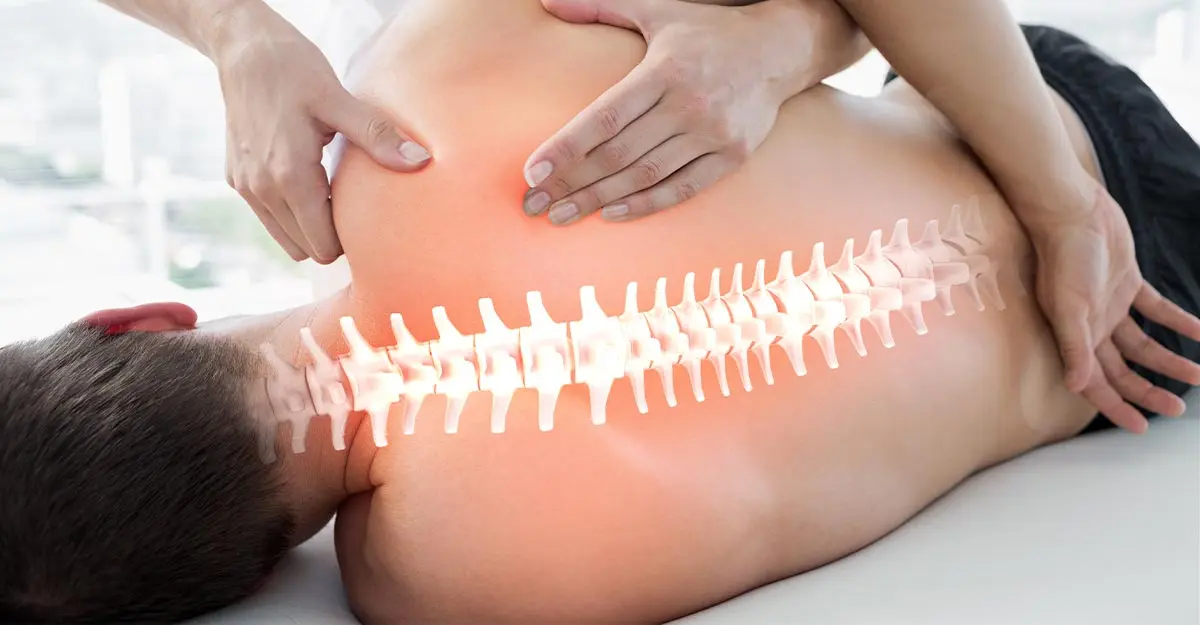
These injuries are common in low-speed or rear-end crashes. Problems often do not show up right away. Instead, inflammation builds, motion changes, and the way your brain and inner ear sense balance can get thrown off. That is when headaches, dizziness, and brain fog start to creep in.
When the bones in your cervical spine, the neck area, are slightly out of their normal position, they can bother nearby nerves and blood vessels. This can lead to:
• Throbbing or pressure headaches
• Woozy, lightheaded feelings
• Vertigo or spinning sensations
• Trouble focusing or feeling “foggy”
Emergency rooms and urgent care centers are very important when you first get checked after a crash. Their main job is to rule out fractures, bleeding, or other life-threatening problems. They often are not focused on the subtle soft-tissue, joint, or alignment changes that a chiropractor looks for every day.
An auto accident chiropractor in Murfreesboro sees the patterns that happen on our local roads. We see how even minor crashes on busy streets can show up as delayed neck and head symptoms weeks later. That experience helps us know where to look and what tests to use.
When Headaches and Dizziness Mean You Need a Chiropractor
Some symptoms after a car accident are clear signals that your body needs more than rest and over-the-counter pills. Pay close attention if you notice:
• Headaches that begin within a few days of the crash
• Headaches that are getting more frequent or more intense
• Dizziness, lightheadedness, or vertigo when you stand, walk, or turn your head
• Feeling “off balance” or like you might tip over
• Neck stiffness, burning, or sharp pain
• Shoulder or upper back pain
• Jaw tightness or popping that shows up with head pain
• Sensitivity to light or screen glare that was not there before
There are also red-flag emergencies that need 911 or an ER, not chiropractic first. Call for emergency help right away if you have:
• A sudden, severe “worst of your life” headache
• Slurred speech or trouble finding words
• Weakness, numbness, or trouble moving arms or legs
• Confusion, extreme drowsiness, or acting very differently
• Repeated vomiting or loss of consciousness
If urgent problems are ruled out, but you are still dealing with ongoing, nagging headaches and dizziness, that is where we come in. At Rutherford Spine & Wellness Center, a thorough exam for auto injuries often includes:
• A detailed history of the accident and how your symptoms started
• Orthopedic tests to check joints, muscles, and ligaments
• Neurological checks to see how your nerves and balance systems are working
• Posture and range-of-motion checks for your neck and spine
Ready to feel better?
Schedule a consultation with Rutherford Spine & Wellness Center.