
Stop Guessing Your Back Pain: Learn the Real Cause
Recognizing Spinal Disc Pain vs. Muscle Strain in Murfreesboro
Back and neck pain can show up fast. A weekend of yardwork, a long drive to the lake, or one awkward lift can leave you hurting for days. Many people in Murfreesboro try to push through and hope it goes away on its own.
The problem is that not all back pain is the same. Spinal disc pain and simple muscle strain can feel alike at first, but they are very different problems inside your body. When they get mixed up, people often treat the wrong thing, wait too long for care, and let pain slowly get worse.
At Rutherford Spine & Wellness Center, we focus on finding the real cause of your pain and creating a plan that fits you, not a one-size-fits-all approach. In this article, we will walk through clear signs that can help you tell when pain might be disc-related, when it is more likely muscular, and when it is time to look into disc pain treatment in Murfreesboro.
Understanding Spinal Discs vs. Back Muscles
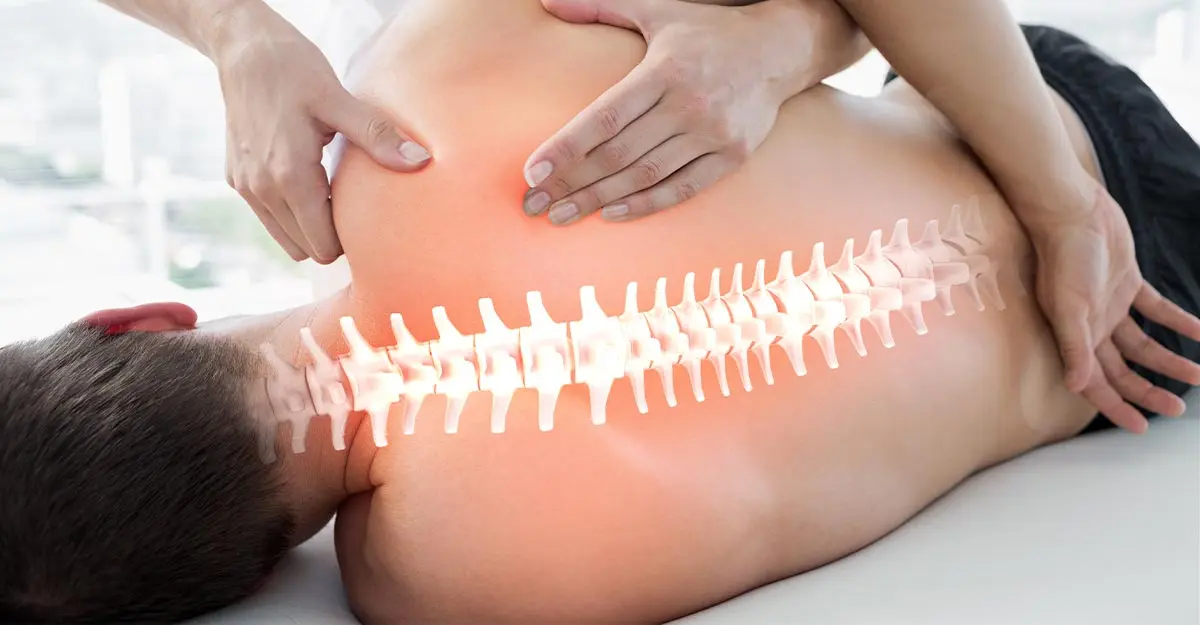
Your spine is made up of bones, called vertebrae, stacked one on top of another. Between those bones are spinal discs. These discs are like small cushions, soft in the center with a tougher outer layer. They help absorb shock when you move, twist, lift, and bend.
A disc can be injured or wear down over time. This can lead to:
• Bulging discs, where the disc pushes out of its normal space
• Herniated discs, where the inner material leaks out and irritates nerves
• Thinning or degenerating discs, where the disc loses height and cushion
Back muscles are different. They are the soft tissues that support and move your spine. Tendons connect muscles to bone, and ligaments help keep everything stable. Muscle strain usually happens when a muscle is stretched or torn from overuse, sudden movements, or lifting something heavy, like when you are working on outdoor projects or playing sports.
Disc injuries and muscle strains can both cause pain, stiffness, and trouble moving. Early on, it can be hard to tell them apart. Over time, disc problems often involve nerve-related symptoms, while muscle strain tends to stay more local and usually calms down as the muscle heals.
Common Signs of Disc Pain You Should Not Ignore
When a disc presses on or irritates a nerve, the pain can spread far from your back or neck. This is one of the biggest clues that the disc is involved.
Common signs that point toward disc pain include:
• Pain that travels down the leg, often called sciatica, or down the arm
• Numbness, tingling, or a pins-and-needles feeling in the hands, feet, or toes
• Weakness in a leg, foot, arm, or hand along a clear nerve pathway
Disc pain often feels sharp, burning, or electric. You might notice:
• Pain that gets worse when you sit for long periods
• Pain with bending, twisting, coughing, or sneezing
• Trouble walking, lifting, or doing sports because the leg or arm feels weak or unsteady
Some red flags should never be ignored. These may be signs of a more serious disc or nerve problem and call for prompt evaluation:
• Loss of bladder or bowel control
• Severe, constant pain that does not ease in any position
• Rapidly worsening weakness or numbness in the legs or arms
If you notice these signs, it is especially important to get checked by a professional who understands disc issues and disc pain treatment in Murfreesboro.
How Muscle Strain Pain Typically Feels and Heals
Muscle strain tends to feel different from disc pain. The pain is usually near the injured area and does not travel as far.
Typical signs of muscle strain include:
• Soreness, tightness, or stiffness in a small, focused spot
• Tenderness when you press on the muscle itself
• Pain that shows up with certain movements, like bending a certain way or lifting a specific amount of weight
With a mild to moderate muscle strain, the body often starts to heal on its own. Many people notice:
• Some relief within a few days, especially with rest and gentle movement
• Gradual return of normal motion as the muscle softens
• Less pain when they avoid the exact motion that caused the strain
Simple home care can be helpful, such as easing back on hard activity, using ice or heat, and doing light stretching when it feels safe. If the pain is truly a muscle strain, it usually improves over one to two weeks.
Disc-related pain tends to behave differently. If your pain hangs around longer than expected, keeps coming back, or makes it hard to sit, sleep, or work, there may be more going on than a basic strain.
When to See a Murfreesboro Chiropractor for Back Pain
Ready to feel better?
Schedule a consultation with Rutherford Spine & Wellness Center.