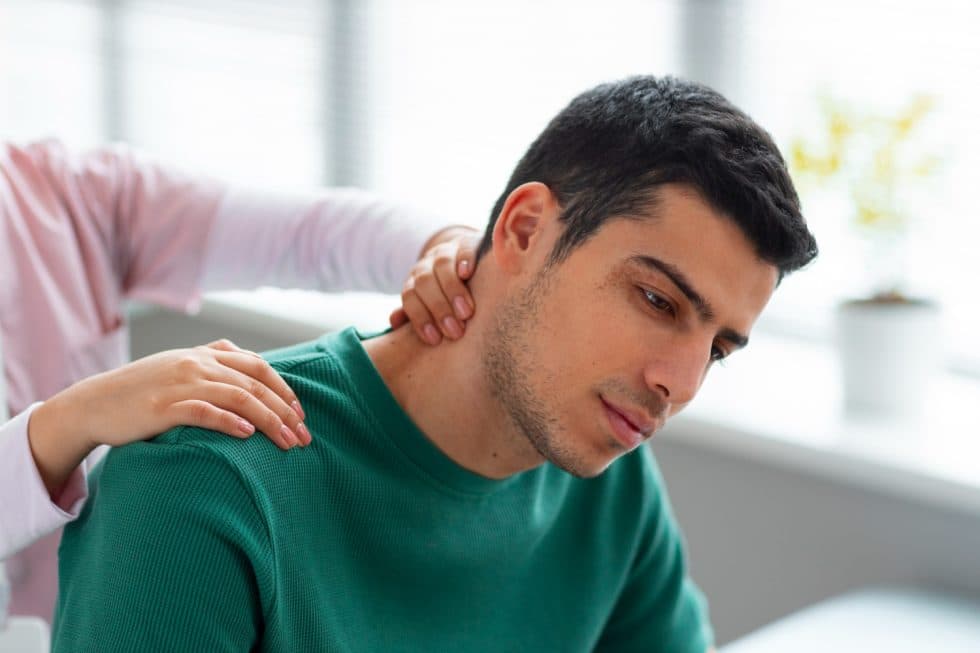

Stop Letting “Normal” Aches Steal Your Active Life
Joint pain has a way of sneaking up on active people. One month you feel fine on runs, in the garden, or at your pickup game. The next month your knee twinges on every step, your shoulder feels tight after overhead motions, or your low back is sore after a short drive. It is easy to shrug it off and say it is just age, just the weather, or just overdoing it a little.
When spring events, 5Ks, yardwork, and rec sports pick up around Murfreesboro, those “little” aches tend to show up more often. If you ignore them, your body starts to work around the pain. You move differently, favor one side, or stop doing certain motions. Over time, that can hurt your performance, wear down other joints, and raise your risk of bigger injuries.
We focus on a whole-person, non-invasive approach to joint pain. Instead of only chasing the sore spot, we look for the hidden stressors that make your joints complain in the first place so you can stay active longer, with less pain and more confidence.
Everyday Habits Silently Wearing Down Your Joints
Many joint problems do not start on the field or in the gym. They build up from what you do all day long. Simple habits quietly load your joints over and over until they finally start to hurt.
Here are some of the most common triggers we see:
- Long hours at a desk or on devices
- Poor footwear or worn-out shoes
- Big weekend projects after a sedentary week
- Standing all day on hard surfaces
Desk and tech posture are big culprits. When your head drifts forward and your shoulders round, the muscles in your upper back have to hold that weight. That can strain your neck, shoulders, elbows, and wrists. You may feel it as tightness between the shoulder blades, tension headaches, or tingling into the hands.
Footwear also matters more than most people think. Old running shoes, flat flip-flops, or heavy work boots can change how your feet hit the ground. If your feet roll in or out, that stress often travels up into your knees, hips, and low back. Standing on concrete or other hard floors all day can add even more load.
Then there is the weekend warrior pattern. Many people are less active during colder months, then jump straight into:
- Long runs or walks
- Intense yardwork days
- Rec league games
- Home projects that involve a lot of lifting
Your joints and supporting muscles have not had time to adapt, so they take extra strain. The key idea here is simple: pain is often the last signal. The small, repeated stress from your daily habits builds up long before your joints actually ache.
Hidden Alignment Issues That Make Joints Work Overtime
Even when you have good habits, your joint pain might come from deeper alignment issues you cannot see in a mirror. Small changes in how your spine, hips, or shoulders sit can push other joints to work harder.
When your spine or pelvis is not lined up well, the rest of your body has to compensate. For example, if your pelvis tilts forward, your low back may curve more, and your hips and knees can absorb more impact with each step. You might feel pain in your knees, but the real trigger could be higher up.
Muscle imbalances are another hidden factor. Many active adults have:
- Tight hip flexors from sitting
- Weak glutes that do not fire well
- A core that tires quickly
- Stronger muscles on one side than the other
When this happens, certain joints take the brunt of every step, swing, or lift. Knees often pay the price for weak hips. Shoulders often suffer when the upper back and core are not doing their part.
Old injuries can also leave a mark even when you think they are “healed.” Past ankle sprains, car accidents, or sports injuries may leave behind stiffness, scar tissue, or small motion limits. Your body learns to move around those spots, which changes your mechanics for years.
Through chiropractic care and focused rehab, our goal is to find these mechanical triggers. By improving alignment and muscle balance, we help joints share the load more evenly so pain has less reason to show up.
Seasonal Activities That Spike Spring and Summer Joint Pain
Warm weather brings people outside in Murfreesboro, which is great for health but tough on joints if your body is not ready. Several seasonal activities tend to spike joint pain for active adults.
Outdoor fitness and sports are big triggers. Running on pavement, playing pickleball or tennis, joining a softball team, and returning to golf all ask a lot from your knees, ankles, hips, shoulders, and elbows. When you jump from low activity to multiple sessions a week, overuse can show up fast.
Yardwork and home projects are another common source of pain. These tasks often involve:
- Bending and twisting while raking or lifting
- Carrying heavy bags of mulch or soil
- Reaching overhead with tools
- Long periods of kneeling or squatting
If you do not have good body mechanics or joint support, these motions can irritate your spine and joints in a hurry.
Travel and events also play a role. Long drives to the lake, long walks at festivals, or hours of sitting on bleachers at kids’ games add steady pressure to the low back, hips, and knees. If your flexibility and core strength are limited, these positions can leave you stiff and sore.
Simple prep work can make a big difference. Gentle movement drills, basic mobility exercises, and regular chiropractic tune-ups can help your joints move better, absorb stress, and stay more resilient as your activity ramps up.
Why Nerves and Inflammation Matter More Than You Think
Joints do not work alone. Your nervous system and your level of inflammation play a big role in how your joints feel and how they move.
When the spine is out of alignment, the nerves that exit between the vertebrae can get irritated. Those nerves send signals to the muscles that control your joints. If nerve signals are off, muscles may tighten, weaken, or fire at the wrong time. That can create odd pain patterns, weakness, or “mystery” aches that seem to move around.
Inflammation is another key piece. Many active adults deal with low-grade inflammation from:
- Poor or inconsistent sleep
- High stress levels
- A diet high in processed foods
- Undiagnosed nerve problems or neuropathy
When your body is already inflamed, normal activity can feel like it is doing more damage than it really is. Mild joint strain may feel like a major flare-up.
Our whole-person approach looks at more than just the joint. With options like spinal decompression, neuropathy care, and simple lifestyle guidance, we aim to support both the nervous system and joint health for more complete relief.
How Rutherford Spine & Wellness Center Finds Your Root Causes
Finding true joint pain relief in Murfreesboro starts with understanding what is actually happening in your body. That means a careful, step-by-step evaluation, not a quick look at the sore spot.
We take time to learn about your health history, workday, sports, and injuries. We check your posture from head to toe and watch how you move during simple tasks. Orthopedic and neurologic tests help us see which joints, muscles, and nerves are involved, and which ones are just trying to help.
From there, we use non-invasive care to address what we find. Your plan may include:
- Gentle chiropractic adjustments to improve alignment
- Spinal decompression to reduce pressure on spinal structures
- Soft tissue work to calm tight or irritated muscles
- Specific rehab exercises to retrain weak or overworked areas
Our goal is not just pain relief today. We build personalized, active lifestyle plans that fit how you live. Whether you love running the greenway, playing golf, gardening, or keeping up with kids sports, we focus on helping you return to the activities you enjoy with more comfort, control, and performance.
Take The Next Step Toward Lasting Joint Relief
If joint pain is limiting your daily activities, we are ready to help you move with confidence again. Our team at Rutherford Spine & Wellness Center offers customized care focused on safe, effective joint pain relief in Murfreesboro so you can get back to what you enjoy. Reach out today to ask questions, discuss your symptoms, or schedule your first visit through our contact us page.
Ready to feel better?
Schedule a consultation with Rutherford Spine & Wellness Center.