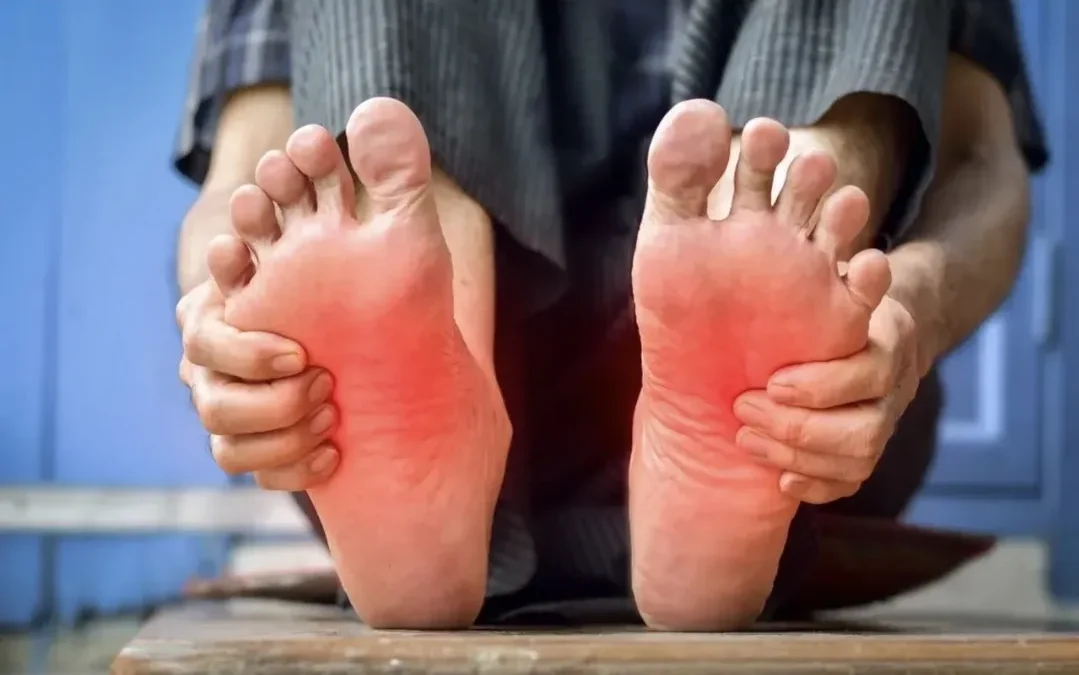
Have you ever taken your socks off at the end of the day - only to feel like they’re still on? Maybe it feels like there’s a band squeezing around your ankles, or like your feet are wrapped too tightly even when they’re completely bare. At first, you might brush it off. You might think, “Maybe my socks were just snug today,” or “Maybe I’ve just been on my feet too long.” But when that strange, tight, tingling sensation keeps happening, it becomes hard to ignore.
That feeling - the sensation of wearing tight socks when you’re not - is one of the most common early neuropathy symptoms in feet Murfreesboro residents often don’t recognize right away. It’s subtle enough that many people live with it for months before realizing something deeper is going on. But as the numbness grows, as tingling spreads, or as the feeling intensifies at night, fear starts to creep in. You may begin to wonder why your body suddenly feels different, why these sensations won’t go away, and whether it’s the beginning of something serious.
At Rutherford Spine & Wellness Center, we’ve helped countless patients dealing with these confusing and uncomfortable symptoms. And I want you to know this: this sensation is a red flag your nerves are sending you - because something isn’t functioning the way it should. But the good news is that you’re not powerless, and neuropathy doesn’t have to control your life.
I’m going to walk you through exactly why this sensation happens, what it means for your nerve health, and how our approach to peripheral neuropathy treatment Murfreesboro TN can help you finally feel normal again.
What That “Tight Socks” Feeling Really Means
When someone first experiences this sensation, it usually comes with a mixture of annoyance and confusion. You know you’re not wearing socks, but your body insists otherwise. This disconnect happens because the nerves responsible for sensation in your feet aren’t sending signals correctly.
Your peripheral nerves act like communication cables between your brain and your body. When they become irritated, damaged, or deprived of proper blood flow, those signals get scrambled. That’s when you start to feel sensations that don’t match what’s actually happening - tightness, tingling, numbness, burning, or even a “walking on pebbles” feeling.
This symptom can show up gradually or suddenly, and while it may seem harmless at first, it is one of the earliest warning signs of peripheral neuropathy.
If you’re noticing this sensation more frequently, especially in the evenings or after being on your feet, it’s important to pay attention. Early intervention is one of the most effective ways to stop neuropathy from progressing.
Why Neuropathy Starts in the Feet
Many people wonder why neuropathy tends to begin in the feet rather than the hands or other parts of the body. The reason is simple: your feet have some of the longest nerves in your entire body - and they’re also the furthest from your spinal cord.
Because of the distance those nerve signals have to travel, the feet are often the first place you’ll notice odd sensations when there’s inflammation, damage, or miscommunication happening along the nerve pathways.
As neuropathy worsens, that “tight socks” sensation can expand to other areas, like the toes, calves, hands, and even fingertips. This progression is why catching symptoms early gives you the best chance of stopping the damage before it becomes widespread.
The Hidden Causes Behind Neuropathy Symptoms
When people come to us looking for nerve pain and tingling relief Murfreesboro chiropractor services, they often assume neuropathy only happens to individuals with diabetes. But the truth is, neuropathy has a wide range of possible causes. Some of the most common include:
Chronic inflammation
Inflammation in the body can damage nerve tissue or restrict blood flow, starving nerves of the nutrients they need.
Spinal misalignment
When the spine is not aligned correctly, it can irritate the nerves that branch down into the legs and feet.
Poor circulation
If blood isn’t flowing properly, the nerves can’t get the oxygen and nutrients they need to function normally.
Injury or compression
Nerves can become irritated from injuries, compression, or even repetitive stress.
Side effects of medications
Some medications can contribute to nerve damage over time.
Metabolic or autoimmune conditions
These can disrupt the environment your nerves rely on to function properly.
Identifying the cause is the first step in creating a plan that helps your nerves heal. That’s why we take time to evaluate your full health picture instead of offering a quick, generalized solution.
Why Ignoring These Symptoms Makes Things Worse
Neuropathy is a progressive condition. In the early stages, it may feel like mild tightness, subtle tingling, or occasional numbness. But as the condition worsens, these sensations become more frequent and more intense. Some people eventually begin to lose feeling in their feet, while others experience burning, sharp pain, or difficulty walking.
The challenge is that neuropathy doesn’t go away on its own. Without proper treatment, the nerve damage can continue to spread, making everyday activities more difficult and reducing your overall quality of life.
If you’ve been hoping the symptoms will resolve themselves, or if you’re trying to ignore them because they seem minor, consider this: early neuropathy is the stage where we can create the most dramatic improvement. The sooner you take action, the more we can do to restore nerve health and prevent permanent damage.
How Chiropractic Care Helps With Neuropathy
You might be wondering how chiropractic fits into neuropathy treatment. Most people associate chiropractic care with back or neck pain, but it’s actually one of the most powerful tools for restoring nerve function.
At Rutherford Spine & Wellness Center, our focus is on identifying where the nerve pathways are being disrupted - whether that’s from spinal misalignment, inflammation, or poor circulation - and using natural, non-invasive methods to restore proper communication.
Our neuropathy programs often include:
Specific spinal adjustments
These relieve pressure on the nerves and improve the function of the nervous system as a whole.
Improved blood flow and circulation
Certain therapies are designed to increase circulation to the nerves, helping them receive the oxygen and nutrients they need.
Targeted therapies for nerve repair
We use specialized techniques to stimulate damaged nerves and encourage healing.
Lifestyle guidance
We give our patients tools that support long-term nerve health, such as posture improvements, movement recommendations, and nutritional strategies.
This combination of care creates an environment where the nerves can begin to heal, improve function, and reduce those abnormal sensations.
The “Invisible” Impact of Neuropathy on Your Life
When your feet don’t feel normal, it affects everything. It changes the way you walk, your comfort when sitting, your ability to sleep, and even your confidence moving around your home or community.
People often describe neuropathy as something that “takes over their awareness” - because once you feel that tightness, tingling, or numbness, it becomes impossible to ignore. The brain naturally fixates on odd sensations in the body, making it feel like neuropathy is following you everywhere you go.
Beyond the physical discomfort, neuropathy affects your emotional well-being. Worrying about the cause, fearing it will get worse, or feeling hopeless because the symptoms don’t go away can create stress and anxiety. That emotional load matters just as much as the physical pain, and it’s something we take into account with every patient we treat.
Why Our Approach Makes a Difference
When you come to us looking for peripheral neuropathy treatment Murfreesboro TN, you’re not just receiving adjustments or therapies - you’re gaining a partner in your health.
We take time to understand your symptoms, walk through your medical history, and consider every factor that might be affecting your nerve health. By approaching your care as a whole-body process, we can address not only the pain you feel but also the cause behind it.
We don’t believe in quick fixes or surface-level solutions. Instead, we focus on creating meaningful, lasting improvements that help you regain comfort, confidence, and mobility.
Moving Toward Relief Starts With One Decision
Living with neuropathy - especially the unsettling “tight socks” sensation - doesn’t have to be your new normal. You deserve to feel comfortable in your own body again, and you deserve relief that goes beyond temporary fixes.
If you’ve been noticing these symptoms more frequently, if you’re worried they’re getting worse, or if you’re simply tired of wondering what’s happening to your feet, now is the perfect time to take action. The sooner we begin addressing nerve dysfunction, the sooner your body can begin healing.
At Rutherford Spine & Wellness Center, we’re here to help you understand your symptoms, restore proper nerve function, and support you on your journey to better health.
You don’t have to live with neuropathy. You don’t have to live with that strange, uncomfortable “tight socks” feeling. And you don’t have to wait for things to get worse.
Take the first step today - click here to set up a consultation.
Let’s work together to restore comfort, protect your nerves, and help you feel like yourself again.
Ready to feel better?
Schedule a consultation with Rutherford Spine & Wellness Center.