
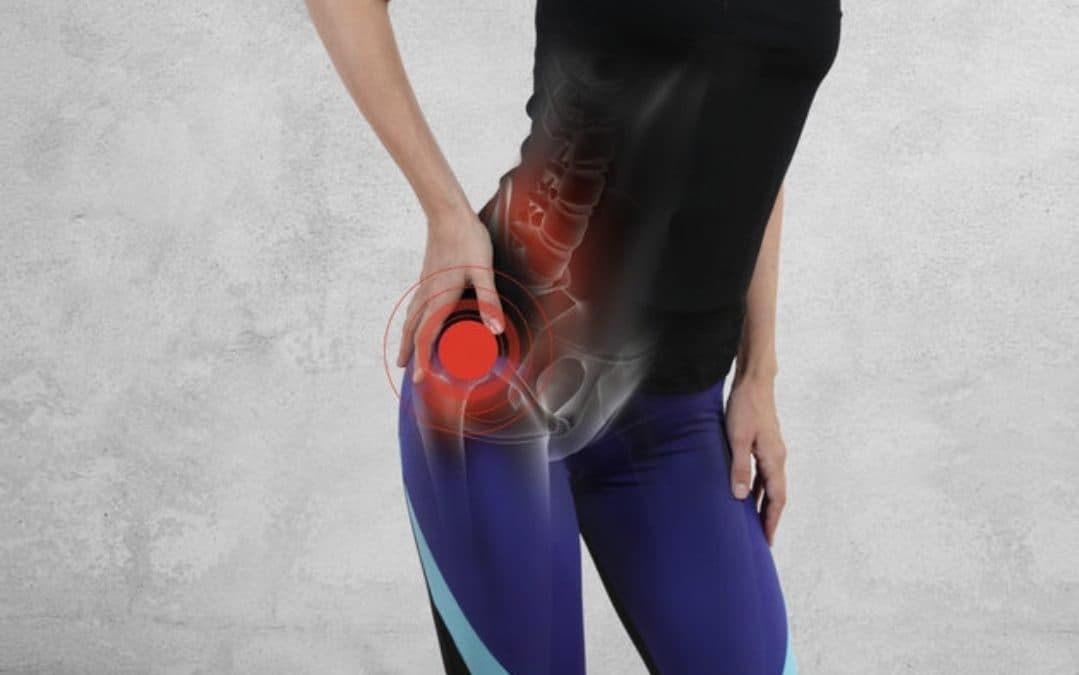
One day your hip feels fine. The next day, it aches when you stand up. Then it disappears again - only to come back after a long walk, a workout, or a night of sleep that didn’t feel quite right. If you’re dealing with hip pain that seems unpredictable, you’re not imagining it - and you’re definitely not alone.
We see this pattern constantly at Rutherford Spine & Wellness Center. Patients come in confused and frustrated because their hip pain doesn’t behave the way they expect. It’s not constant. It’s not always severe. And it doesn’t always respond to rest, stretching, or pain medication. What makes it even more frustrating is that many people are told their hip looks “fine,” yet the discomfort keeps returning.
Here’s the truth that often gets missed: hip pain that comes and goes is very often a spine stability problem - not a hip problem. And until the spine is addressed, the pain tends to keep cycling back.
As a hip pain chiropractor in Murfreesboro TN, my goal is to help you understand why this happens, what your body is trying to tell you, and how chiropractic care can correct the real issue instead of chasing symptoms.
Why Hip Pain Isn’t Always About the Hip
The hip joint is one of the strongest joints in your body. It’s built to handle weight, movement, and repetitive use. So when hip pain appears without a clear injury - or seems to flare and fade without warning - it’s a sign that something else may be influencing how that joint is functioning.
The hip doesn’t work in isolation. It relies heavily on the stability of the pelvis and lower spine. When the spine is misaligned, unstable, or compensating for poor posture or movement patterns, the hip often absorbs stress it was never meant to handle.
This is why hip pain caused by spine misalignment Murfreesboro patients experience often feels inconsistent. The pain depends on how much stress the spine is under at any given time - how long you sit, how you stand, how you walk, and how your body compensates throughout the day.
The Spine–Hip Stability Connection
Your lower spine and pelvis form the foundation for your hips. When that foundation is stable and aligned, your hips move smoothly and efficiently. But when spinal alignment is off - even slightly - the mechanics of the hip joint change.
Small misalignments in the lumbar spine can cause:
- Uneven weight distribution through the hips
- Muscle imbalances around the pelvis
- Increased strain on one hip over the other
- Altered gait patterns
- Reduced shock absorption
Over time, this creates irritation in the hip joint, surrounding muscles, and connective tissue. Because the spine shifts differently depending on posture and movement, the hip pain may come and go rather than stay constant.
This is one of the biggest reasons patients struggle to get lasting relief when the focus stays only on the hip itself.
Why Your Hip Pain Changes With Activity
Many patients tell us their hip pain behaves differently depending on what they’re doing. It may flare after sitting too long, walking uphill, exercising, or even sleeping. Then, surprisingly, it may feel better once they start moving again.
That inconsistency is a major clue.
When spinal instability is involved, pain often increases when the body is static - like sitting or standing still - and eases when movement temporarily redistributes pressure. However, that relief doesn’t mean the problem is gone. It simply means the body is compensating.
Eventually, compensation leads to overuse, inflammation, and recurring pain.
Why Stretching and Strengthening Alone Don’t Fix It
Hip pain is often treated with stretching or strengthening exercises. While these can be helpful in certain cases, they don’t correct spinal misalignment. If the spine remains unstable, muscles are forced to compensate repeatedly - no matter how strong or flexible they are.
This is why some people stretch faithfully every day and still feel hip pain returning. The muscles aren’t the root cause - they’re reacting to a structural problem.
Chiropractic care addresses the structure first, allowing muscles and joints to function the way they were designed to.
How Chiropractic Care Addresses the Real Cause
When patients come to us looking for chiropractic treatment for hip pain Murfreesboro, we don’t just look at the hip. We evaluate spinal alignment, pelvic balance, posture, and movement patterns to understand what’s creating the instability.
Chiropractic adjustments help by:
- Restoring proper alignment to the spine and pelvis
- Reducing uneven pressure through the hips
- Improving joint mechanics and movement efficiency
- Decreasing muscle tension caused by compensation
- Supporting long-term stability rather than temporary relief
When the spine is stabilized, the hips no longer have to compensate - and pain often decreases significantly as a result.
The Hidden Role of Daily Habits
Hip pain that comes and goes is often influenced by everyday habits that seem harmless. Sitting with one leg crossed, leaning into one hip while standing, carrying weight on one side, or sleeping in a twisted position can all place uneven stress on the spine and pelvis.
Over time, these habits reinforce instability. Chiropractic care helps correct the underlying alignment issues while also making patients more aware of how small daily behaviors affect their pain.
Why Ignoring Intermittent Hip Pain Is Risky
Because intermittent hip pain isn’t constant, many people ignore it. They assume it’s nothing serious or that it will resolve on its own. But recurring pain is your body’s way of signaling imbalance.
Left unaddressed, spinal instability can lead to:
- Chronic hip inflammation
- Reduced mobility
- Lower back pain
- Knee or leg pain from altered movement
- Accelerated joint wear
Addressing the issue early helps prevent these long-term complications.
How We Approach Hip Pain at Rutherford Spine & Wellness Center
At Rutherford Spine & Wellness Center, we take a whole-body approach. We don’t chase symptoms - we correct the foundation. By improving spinal alignment and stability, we help the hips move naturally again.
Our care focuses on:
- Identifying spinal misalignment patterns
- Restoring balance through precise chiropractic adjustments
- Supporting long-term stability
- Helping patients understand how their spine affects hip function
This approach is why so many people finally find relief after months or years of recurring hip pain.
What Lasting Relief Actually Feels Like
When the spine is aligned and stable, hip pain no longer comes and goes unpredictably. Movement feels smoother. Standing up doesn’t trigger discomfort. Walking feels more balanced. And daily activities no longer cause flare-ups.
That’s not because the hip was “treated harder” - it’s because the spine was finally addressed.
Take the Next Step Toward Real Hip Pain Relief
If your hip pain keeps returning without a clear reason, it’s time to stop guessing. Pain that comes and goes is often structural - and structure matters.
At Rutherford Spine & Wellness Center, we help patients uncover the real cause of their hip pain and correct it at the source.
If you’re ready to move with confidence again and stop dealing with recurring discomfort, click here to set up a consultation.
We’re here to help you restore stability, improve movement, and finally get lasting relief.
Ready to feel better?
Schedule a consultation with Rutherford Spine & Wellness Center.