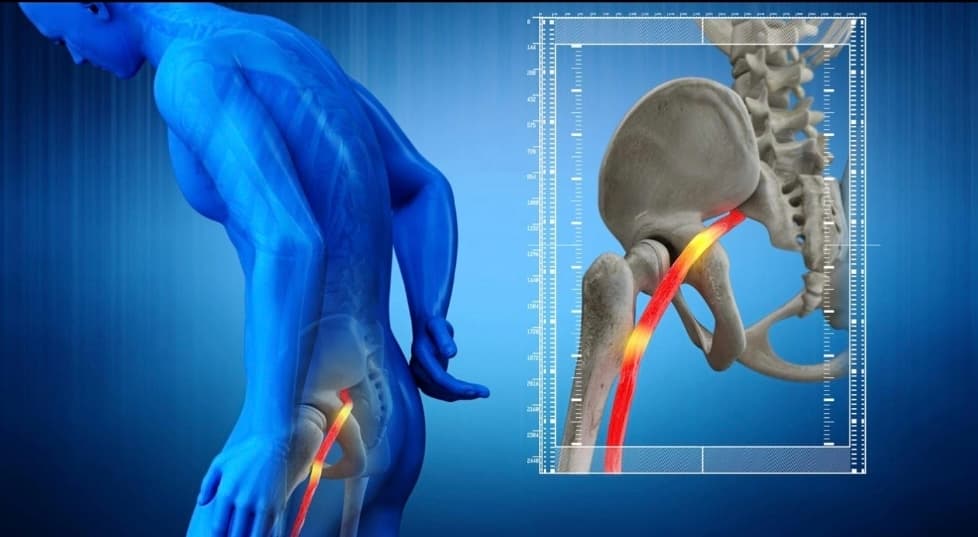

Step Into Gentle Relief From Back and Neck Pain
Spinal decompression is a gentle, non-surgical way to take pressure off the spine. It uses a special table and controlled traction to create a light stretch in the back or neck. This stretch can help reduce pressure on discs and nerves so your body has a better chance to heal. It is very different from surgery, and it is not the same as a quick manual adjustment.
Many people worry that spinal decompression might hurt or make things worse. Most patients feel a light pulling and a sense of relief, not sharp pain. Sessions are closely watched, and settings can be changed right away if you feel uncomfortable. Results are not instant for everyone, but many people notice small changes as they move through a series of visits.
If you are dealing with stubborn back pain, neck pain, or leg pain from sciatica and you live near Murfreesboro, spinal decompression in Murfreesboro, TN may be one option to explore. At your first visit with us, you can expect a calm, step-by-step process focused on safety, comfort, and clear answers to your questions.
Who Is a Good Candidate for Spinal Decompression
Spinal decompression may be considered for many common spine-related problems. It is often used when pain has not improved enough with rest, basic stretching, or other conservative care. Conditions that may be helped include:
- Herniated or bulging discs
- Sciatica or leg pain from nerve irritation
- Chronic low back pain or stiffness
- Neck pain that keeps coming back
- Degenerative disc changes that cause soreness or tightness
Not everyone is a good fit for this type of care. In some cases, the spine needs to be protected from traction. People may not be eligible if they have:
- Certain spinal fractures
- Advanced osteoporosis with very fragile bones
- Spinal infections
- Very recent spinal surgery, depending on the procedure
- Pregnancy
- Severe spinal instability or serious conditions found during exam
This is why a careful screening is so important. At our office, we look at your health history, current symptoms, and daily activities before making any plan. Things like long road trips, yard work, or weekend sports can affect when and how often you should receive care. We want to match your treatment to your body, your schedule, and your goals.
Your First Visit: Consultation, Exams, and Custom Plan
Your first visit usually starts with a detailed conversation. We ask about:
- Where you feel pain and how long it has been there
- What makes it better or worse
- Any numbness, tingling, or weakness
- Medications you take and past treatments you have tried
We also ask about previous injuries, such as auto accidents, hard falls, sports injuries, or recent strains from lifting, travel, or outdoor projects. If you have had X-rays or an MRI before, we will want to review those images or reports when possible.
Next comes a physical exam. This can include:
- Checking posture and how you move
- Light pressure along the spine and muscles
- Simple strength and reflex tests
- Gentle tests to see if nerves are irritated
If we feel more detail is needed, we may recommend new imaging or refer you for it. Once we have enough information, the doctor will explain if spinal decompression seems appropriate and safe for you.
From there, we build a custom plan. This may include:
- How often to come in for decompression sessions
- Whether to pair sessions with chiropractic adjustments
- Possible neuropathy therapies if you have nerve symptoms
- Simple wellness support, such as posture tips or basic home care
The goal is to create a plan that fits your life and gives your spine the best support we can.
What Happens During a Spinal Decompression Session
On the day of your decompression session, you check in and have a brief chat about how you are feeling. We want to know if anything in your pain pattern has changed since the last visit. Then you are brought to the decompression room.
Here is what usually happens next:
- You lie down on the table, either on your back or your stomach, depending on the area being treated.
- A comfortable belt system is placed around your hips or chest to connect you to the table.
- The table’s computer is set to gentle traction levels based on your plan.
As the session begins, you may feel a light, gradual pulling in your back or neck. Many people describe it as a gentle stretch or pressure that comes and goes in cycles. You should not feel sharp, shooting pain. If you do, we adjust the settings right away.
Typical sessions are often short enough to fit into a lunch break or a busy day. A full plan usually includes a series of visits spaced out over several weeks. During active seasons with travel and activities, we can help you plan around trips and special events so your schedule and care work together.
Safety, Comfort, and Common Side Effects
Modern spinal decompression systems are designed with safety features such as controlled traction and the ability to stop quickly if needed. At our office, a trained team member checks on you and listens closely to your feedback. We want you to feel relaxed and informed during every step.
Some people notice mild side effects at the start, such as:
- Light soreness or achiness, similar to starting a new stretch routine
- Temporary tiredness after a session
- A brief increase in symptoms as the body adjusts
These changes are often short-lived. However, if you feel strong pain, new numbness, or anything that worries you, that is a sign to let us know right away so we can review and adjust.
To stay comfortable and get the most from each session, it helps to:
- Wear soft, flexible clothing
- Arrive a little early so you are not rushed
- Drink water before and after visits
- Speak up about any discomfort during the session
- Follow the recommended visit schedule as closely as you can
Aftercare: How to Protect and Support Your Results
When your decompression session ends, you will usually rest for a moment before standing. Getting up slowly helps your body adapt to normal gravity again. We may ask how your pain feels, whether anything seems different, and how your legs or arms feel if you have nerve symptoms.
At home, your doctor may suggest simple steps such as:
- Gentle stretches approved for your case
- Drinking plenty of water to support your discs and tissues
- Using ice or heat on sore areas as directed
- Avoiding heavy lifting or twisting right after sessions
- Pacing higher-demand activities like sports, long walks, or yard work
Long-term results are often stronger when you support your spine outside the office. We can guide you with basic exercises, posture coaching, and wellness services aimed at stability and nerve health. The idea is to help your spine move better, not just feel better for a day.
Relieve Nerve Pressure And Get Back To What You Love
If chronic neck or back pain is limiting your daily life, we invite you to explore how spinal decompression in Murfreesboro, TN may help restore comfort and mobility. At Rutherford Spine & Wellness Center, we’ll evaluate your condition and create a personalized plan that fits your health goals. To schedule a consultation or ask questions about whether this therapy is right for you, please contact us today.
Ready to feel better?
Schedule a consultation with Rutherford Spine & Wellness Center.