
Drive Without Sciatica Pain on Murfreesboro Roads
Sciatica can turn even a short drive into something you dread. That sharp, burning, or aching pain that runs from your lower back through your hip and down your leg often flares up when you sit, which makes time in the car tough.
Here in Murfreesboro, many of us spend a lot of time behind the wheel. Daily commutes on I-24, shuttling kids to practices, or long summer trips to the lake can all add up. When you mix prolonged sitting, car seat angles, vibration from the road, and tight hips and hamstrings, sciatica can feel much worse.
In this article, we will walk through simple ways to set up your car seat, improve your driving posture, add a few easy breaks and stretches, and know when it is time to look for sciatica treatment in Murfreesboro, TN. At Rutherford Spine & Wellness Center, we focus on whole person, non-invasive care aimed at the root cause of pain, including sciatic nerve irritation that gets worse with driving.
Why Driving Triggers Sciatica Flare-Ups
When you sit, your lower back and pelvis are put into a position that can stress the structures around the sciatic nerve. In many cars, the bucket-style seat tilts your hips so your knees are higher than your hips. This can:
- Increase pressure on the lumbar discs
- Tighten hip flexors and hamstrings
- Make you slouch and round your lower back
- Narrow the spaces where nerves exit the spine
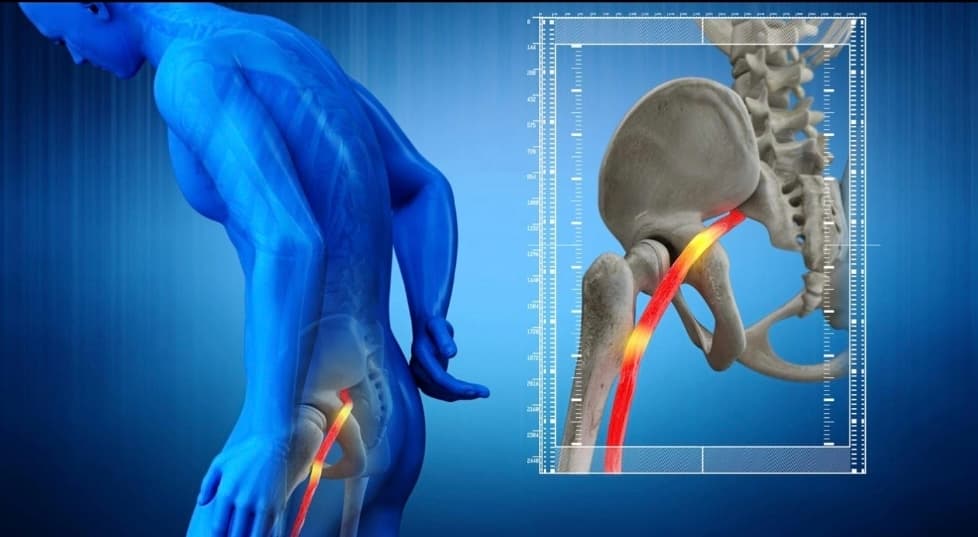
All of this can irritate the sciatic nerve, which runs from your lower back through your hips and down each leg.
Summer driving can feel even harder on your body. Longer vacation drives, stop-and-go traffic from construction, and sitting for hours with the AC on can leave your muscles feeling stiff and tight. If you are not drinking enough water, your muscles may cramp more easily, which can add to discomfort.
Common signs that driving is feeding your sciatica include:
- Pain shooting down the leg after 20 to 30 minutes in the car
- Numbness or tingling in the foot while you drive
- Pain that is much worse when you first stand up after getting out
- Needing to constantly shift in the seat just to get through a short trip
If these sound familiar, your car setup and posture may be a big part of the problem.
Set up Your Car Seat to Protect Your Sciatic Nerve
You do not need a fancy car to make driving more comfortable. Small changes in how you sit can take pressure off your lower back and sciatic nerve.
Aim for this general seat position:
- Hips level with or slightly above your knees
- Seat close enough so you can reach the pedals with a slight bend in your knees
- Steering wheel distance that allows a gentle bend in your elbows
- Seatback reclined just a little, about 100 to 110 degrees, so you are not bolt upright, but not slouched
Your lower back has a natural curve that goes inward. Many car seats flatten this out, which can strain the discs and nerves. To support your spine:
- Use the built-in lumbar support if your car has it, adjusting until you feel the curve of your low back gently touching the seat
- If you do not have lumbar support, roll a small towel and place it behind your lower back at belt-line height
- Avoid thick, soft cushions that sink, which can tilt your hips and make pain worse
For Murfreesboro drivers, these practical tweaks often help:
- Raise the seat height so you can see the road without lifting or craning your neck
- Adjust mirrors so you can see clearly while staying back against the seat, which helps prevent leaning forward
- Position the steering wheel so your shoulders are relaxed and not shrugged up toward your ears
These changes may feel odd at first, but give your body a little time to adjust.
Healthy Driving Posture and On-the-Road Relief
Once your seat is set, your everyday posture in the car matters just as much. Good driving posture is simple and relaxed, not stiff.
Keep these points in mind:
- Sit with your hips all the way back in the seat, not perched on the edge
- Rest your shoulders lightly against the seatback, not rounded forward
- Gently tuck your chin so your ears line up over your shoulders
- Keep both feet supported, with weight even on both hips instead of leaning to one side
For longer drives, plan ahead. Even the best posture gets tiring if you hold it for hours. Try to stop every 45 to 60 minutes, even for a few minutes.
During these short breaks, you can:
- Stand and walk for a minute or two
- Gently stretch your hip flexors by stepping one foot back and leaning forward slightly
- Do light hamstring stretches by placing one heel ahead of you and leaning forward from the hips
- Stretch your piriformis (a small muscle deep in the buttock) by crossing one ankle over the opposite knee while seated at a rest stop and leaning forward slightly
For quick relief while safely parked:
- Do gentle pelvic tilts: press your lower back into the seat, then release, to get your core engaged
- Try ankle pumps, moving your feet up and down to improve circulation
- Lightly tighten your abdominal muscles for a few seconds at a time to help support your lower back
These small movements break up long periods of stillness and can help calm irritated tissues around the sciatic nerve.
When Home Fixes Are Not Enough for Sciatica Pain
Seat changes and posture habits can make a big difference, but they might not be enough if the underlying problem is more serious. Sometimes the sciatic nerve is being compressed by a disc issue, joint problem, or tight soft tissue that needs professional attention.
Signs that driving-related sciatica should be checked by a provider include:
- Pain that keeps getting worse even when you adjust your seat and posture
- Pain that lasts longer than a few weeks without clear improvement
- Increasing weakness in the leg or foot, such as trouble lifting your foot or pushing off
- Persistent or spreading numbness, tingling, or burning in the leg or foot
At Rutherford Spine & Wellness Center, we focus on non-invasive care designed to relieve pressure on the sciatic nerve and support healing. Depending on your needs, a treatment plan may include things like chiropractic adjustments to improve joint motion, spinal decompression to gently reduce pressure on discs, and targeted exercises to support the spine and hips.
For many people, sciatica treatment in Murfreesboro, TN, is about more than temporary pain relief. Our goal is to address the root cause, help your body move better, and make daily tasks like driving, working, or caring for family more comfortable again.
Take Control of Sciatica Before Your Next Summer Drive
Sciatica does not have to control your time on the road. With a few smart changes, you can lower the strain on your lower back and nerves and make trips around Murfreesboro less painful.
Remember the key steps:
- Adjust your seat so your hips, knees, and back are in a friendly position
- Support your lower back curve with lumbar support or a small towel
- Keep relaxed, balanced posture while you drive
- Take regular movement breaks on longer drives
- Pay attention to symptoms that linger or get worse, instead of ignoring them
Before your next road trip, test your new seat setup on shorter drives around town, and plan rest stops into your route. If you are dealing with stubborn or worsening sciatic pain, especially linked to driving, our team at Rutherford Spine & Wellness Center is here to help you find a personalized sciatica treatment in Murfreesboro, TN so you can feel safer and more comfortable behind the wheel again.
Take The First Step Toward Lasting Sciatica Relief
If sciatic pain is limiting your work, sleep, or daily activities, we are here to help you find a clear path forward. Our personalized approach to care focuses on addressing the root cause of your discomfort with proven sciatica treatment in Murfreesboro, TN. Schedule an appointment with Rutherford Spine & Wellness Center so we can evaluate your symptoms, answer your questions, and outline a treatment plan that fits your goals. If you are ready to get started, simply contact us today.
Ready to feel better?
Schedule a consultation with Rutherford Spine & Wellness Center.